


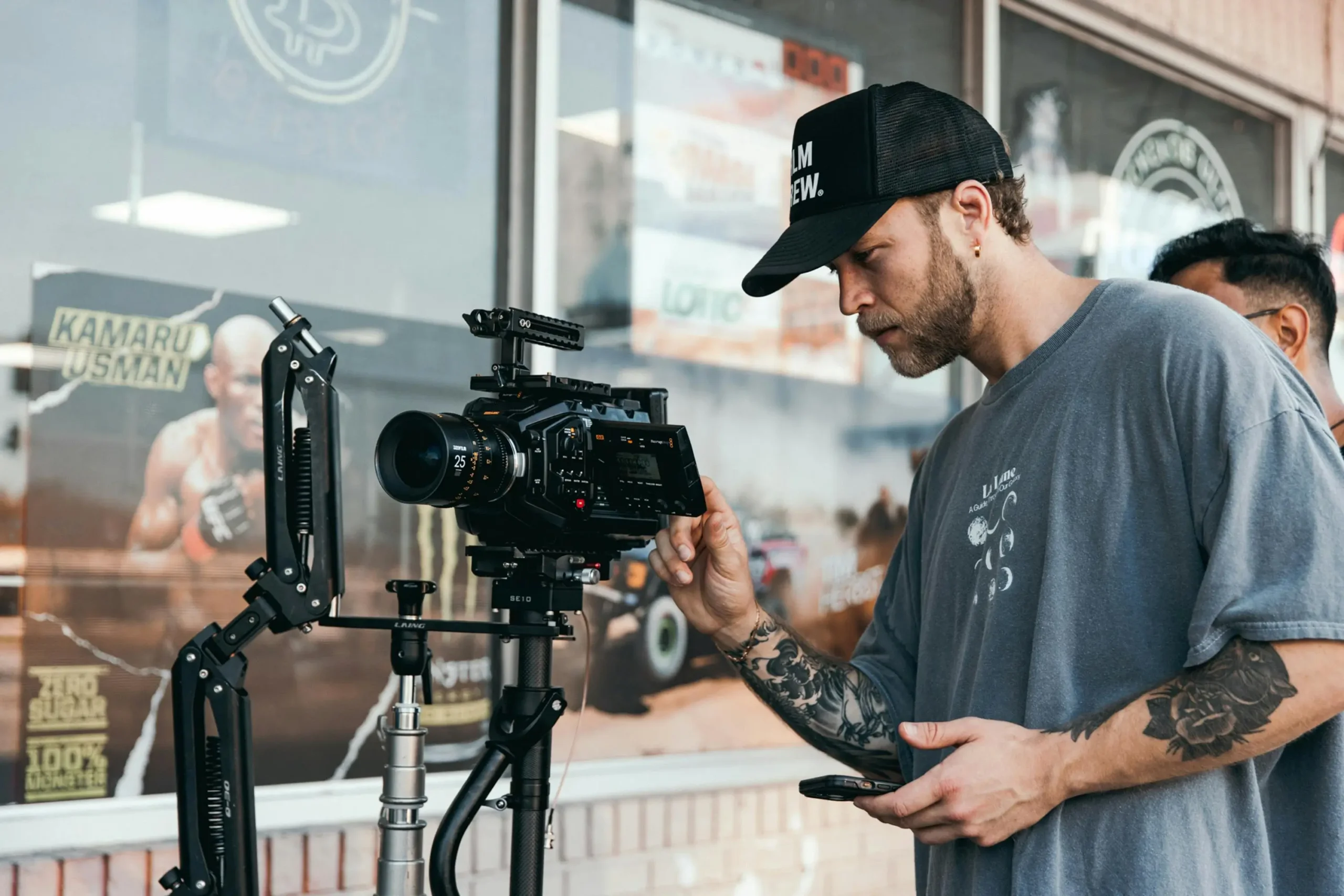
In the competitive world of real estate marketing, high-quality visuals can make or break a property listing. While photos are still essential, real estate videography is quickly becoming the new gold standard for showcasing homes. However, capturing captivating footage goes beyond just owning a good camera, it requires mastering your settings. If you’re serious about producing professional, cinematic real estate videos, understanding your camera’s core settings is essential.
In this guide, we’ll break down the top 5 camera settings real estate videographer should know to elevate their work, impress clients, and convert more listings into sales.
Step By Step of Camera Settings Real Estate Videographer Need
1. Resolution and Frame Rate: Capturing Detail and Smooth Motion
For real estate videography, image clarity is non-negotiable. Buyers want to get a detailed look at the property, which means shooting in high resolution is a must.
What to Use:
Shooting in 4K resolution is the current industry standard. Not only does it offer crystal-clear footage, but it also gives you more flexibility during editing, such as cropping or stabilizing shots without losing quality.
Pair your resolution with the correct frame rate. A frame rate of 24 fps (frames per second) is often used for cinematic aesthetics. However, for smoother walkthroughs or when using a gimbal, 30 fps might be more appropriate. If you plan to add slow motion effects for dynamic exterior shots or open house footage, consider filming at 60 fps.
Why It Matters:
Using the wrong combination can result in choppy or blurry footage. Real estate videos should feel immersive and stable—higher resolution and proper frame rate ensure you’re offering that seamless viewing experience.
2. Shutter Speed: Controlling Motion Blur
Shutter speed controls how long your camera’s sensor is exposed to light, directly affecting motion blur.
What to Use:
A general rule for videographers is to set the shutter speed at double your frame rate. If you’re shooting at 30 fps, your shutter speed should be around 1/60. This creates natural-looking motion blur that mimics what the human eye expects.
If your shutter speed is too fast (e.g., 1/250 or higher), the footage may look jittery or unnatural. Too slow, and your video may be overly blurry and unusable.
Why It Matters:
Real estate videography often includes slow pans and smooth tracking shots. Improper shutter speed can make even the most beautiful mansion look unappealing due to jarring visuals.
3. Aperture: Managing Depth of Field and Light
Aperture determines how much light enters the camera lens and affects depth of field—how much of your shot is in focus.
What to Use:
For real estate interiors, aim for a higher f-stop (like f/8 to f/11) to ensure most of the room remains in focus. This helps viewers see both foreground and background details clearly.
For cinematic exterior shots or focusing on decor, you can experiment with a lower f-stop (like f/2.8 or f/4) to create a shallow depth of field and highlight specific elements such as a fireplace or kitchen island.
Why It Matters:
Depth of field can subtly guide your viewer’s eye through a property. Mastering aperture ensures your subject remains sharp while controlling how much of the background is visible—crucial when you’re trying to showcase both space and features.
4. ISO: Balancing Brightness Without Noise
ISO refers to your camera’s sensitivity to light. The higher the ISO, the brighter the image—but with increased risk of digital noise.
What to Use:
Always aim for the lowest possible ISO setting that allows for a properly exposed shot. In well-lit homes or during daytime shoots, ISO 100–400 should be sufficient. In darker rooms or twilight exterior shots, you may need to push it higher, but be cautious. Most modern cameras handle ISO up to 800 or 1600 fairly well, but anything beyond that can reduce the professional quality of your footage.
Why It Matters:
Real estate videos should look clean and polished. Grainy or noisy footage makes even luxury homes look uninviting. Controlling ISO properly ensures your final product is crisp and free of distractions.
5. White Balance: Getting Accurate Colors
White balance controls the color temperature of your footage, ensuring whites look white and all other colors appear true to life.
What to Use:
Avoid the camera’s auto white balance when shooting real estate videos, especially indoors where lighting can be mixed (daylight through windows, warm tungsten lamps, cool LED lights). Instead, use a custom white balance setting or set it manually based on the lighting condition:
- Daylight: 5200–5500K
- Tungsten lights: 3200K
- Fluorescent lights: 4000–4500K
Use a white balance card or manually adjust by eye using your camera’s live view to get the most accurate color representation.
Why It Matters:
Nothing ruins the aesthetic of a beautiful room more than odd color tones. A yellow or blue tint can misrepresent the property and make it look less inviting. Accurate white balance helps present the property as the eye naturally sees it, which builds trust with potential buyers.
Final Thoughts
Understanding the real estate videographer should know can significantly impact your video quality and professional reputation. While gear plays a role, your ability to fine-tune these settings based on each property and lighting condition separates amateur videographers from professionals.
Don’t treat these settings as one-size-fits-all. Walk through the home, take test shots, and adjust accordingly. By mastering resolution, shutter speed, aperture, ISO, and white balance, you’ll be able to produce real estate videos that not only impress clients but also help sell properties faster.
Ready to take your real estate videography to the next level? Practice these settings on your next shoot, and you’ll start noticing sharper, more balanced, and visually appealing results.


