

Table of Contents
Planning an international trip is a major milestone, but for budget-conscious travelers in India, bank fees can often eat up 5% of your total budget before you even land. If you are a student, a freelancer, or an early-career professional with a modest income, you don’t need a “Black” or “Infinite” card to save money. You just need the right entry-level tool.
Here is your definitive guide to the best credit cards in India for international travel in 2026, specifically curated for low-income earners and first-time credit users.
Top 3 Best Credit Card in India for International Travel (Low Income/New-to-Credit)
Selecting a card as a low-income earner requires balancing accessibility (can I get it?) with utility (will it save me money?). These three cards are the best performers in 2026.
1. IDFC FIRST WOW! Credit Card (The “Guaranteed” Option)
If you have a salary below ₹25,000 or no formal income proof (like students or freelancers), this is your top choice. It is a Secured Credit Card, meaning you open a Fixed Deposit (FD) and get a credit limit based on that amount.
- Best For: IDFC First Bank is best for those with no credit history or low documented income.

Pros
- Zero Forex Markup: Pay exactly what the market rate is.
- No Credit Check: Approval is guaranteed if you open an FD (min. ₹5,000–₹10,000).
- Interest-Free Cash: Only card that allows international ATM withdrawals with 0% interest (just a flat fee of ₹199 + GST).

Cons
- Requires upfront cash for the FD
- Rewards are basic compared to premium cards.
2. Federal Bank Scapia Credit Card (The “Travel-Hacker” Option)
Scapia has taken the Indian market by storm in 2025–2026 because it is a Lifetime Free (LTF) card with premium travel perks.
- Best For: Early-career professionals with a salary of ₹30,000+ and a basic credit score.
Pros
- Unlimited Domestic Lounge Access: You only need to spend ₹5,000 in a month to unlock this.
- Zero Forex: No markup on any international swipe.
- Dual Network: Often comes with a RuPay variant for UPI payments.
Cons
- No rewards earned on international transactions (only on domestic).
- Not guaranteed; requires a credit score of 750+.
3. AU ixigo Credit Card (The “Flight & Train” Specialist)
If you frequently book through the ixigo app, this co-branded card offers the best “value-back” for travel expenses.
- Best For: AU ixigo Card is best for travelers who want a mix of zero forex and flight discounts.
Pros
- Zero Forex Markup: Standard on this card.
- International Lounge: 1 complimentary international lounge visit per year (rare for entry-level cards).
- ixigo Perks: 10% instant discount on flights/hotels and zero payment gateway fees on trains.
Cons
- Rewards are heavily tied to the ixigo ecosystem.
- Annual fee may apply unless you meet the spend threshold (usually ₹1,000 in the first 30 days).
Read More: The 6 Best Credit Cards for Low-Income Earners
Comparison Table: Which Card Fits Your Budget?
| Feature | IDFC FIRST WOW! | Federal Scapia | AU ixigo Card |
| Forex Fee | 0% | 0% | 0% |
| Joining Fee | ₹0 | ₹0 | ₹0 (Limited Offer) |
| Approval Odds | 100% (with FD) | Moderate (Salary) | Moderate (Salary) |
| Lounge Access | No | Unlimited Domestic | 1 Int’l / 8 Domestic |
| Interest on ATM | 0% (up to 45 days) | High (Standard) | High (Standard) |
| Best For… | Reliability & Cash | Perks & Lounges | Booking Discounts |
Key Factors to Consider
1. The “True” Cost of Fees
- Zero vs. Low Forex Markup: This is the #1 factor. A 0% markup card is worth more than any rewards program for a budget traveler. If you can’t get a 0% card, aim for a card with a markup of 1.99% or lower.
- Annual Fees vs. Benefit Value: For low-income earners, Lifetime Free (LTF) cards are the gold standard. Only pay an annual fee if the guaranteed benefits (like a ₹1,500 flight voucher or free lounge access) clearly exceed the fee (e.g., ₹499).
- Cash Advance Fees: Withdrawing cash abroad is usually expensive. Look for cards that have a low flat fee for international ATM withdrawals and, ideally, an interest-free period on those withdrawals.
2. Ease of Approval (Eligibility)
- Minimum Income Threshold: Entry-level travel cards usually require a monthly salary of ₹20,000 to ₹25,000. If your income is below this, stop applying for “unsecured” cards and switch to a “Secured” (FD-based) card to avoid a string of rejections that could hurt your credit score.
- Credit Score (CIBIL): Most travel-specific cards (like Scapia or AU ixigo) prefer a score of 730+. If you are a first-time user, starting with an entry-level bank card from your salary account provider is often the easiest path.
3. Travel-Specific Perks
- Airport Lounge Access: This is a massive money-saver on food and comfort during long layovers.
- Check the fine print: Some cards require a minimum spend (e.g., ₹5,000) in the previous month to unlock the lounge benefit for the next month.
- Complimentary Travel Insurance: Some entry-level cards offer basic insurance covering loss of passport, baggage delay, or personal accident. While not a replacement for full travel insurance, it’s a vital secondary safety net.
4. Network and Acceptance
- Visa vs. Mastercard vs. RuPay: While RuPay is expanding, Visa and Mastercard still have the most seamless acceptance worldwide for hotel deposits and car rentals.
- The “Hold” Factor: Remember that hotels often “block” a deposit amount on your card. Ensure your credit limit is at least 2x your estimated expenses so these holds don’t leave you with a “declined” card at a restaurant.
5. Digital Management & Security
- App Control: Can you block the card, change the PIN, or toggle international limits instantly via an app? In 2026, this is a non-negotiable security feature for international travelers.
- Real-time Conversion Alerts: Some modern travel cards show you the exact INR amount spent in a push notification immediately after a swipe. This helps you track your budget in real-time without doing mental math.
Read More: How To Prevent Credit Card Fraud
How to Choose
Not sure which one to pick? Use this logic:
- Choose IDFC FIRST WOW if: You are a student, have a low credit score, or need to withdraw cash from ATMs abroad frequently.
- Choose Federal Scapia if: You have a stable job, travel mostly within India or to major cities, and want free lounge meals.
- Choose AU ixigo if: You want a “proper” travel card that helps you save money on the actual flight and hotel bookings.
Step-by-Step Tips for Easy Approval
Getting rejected for a credit card can temporarily lower your credit score. Follow these steps to ensure you get approved the first time.
Step 1: Check Your Credit Score (CIBIL)
Before applying for Scapia or AU ixigo, use a free app to check your score. If it’s below 730, do not apply for an unsecured card. Instead, go for the IDFC FIRST WOW! to build your score for 6 months.
Step 2: Use the “Secured” Shortcut
If you are a student or a low-income freelancer:
- Download the IDFC FIRST Bank app.
- Open a Fixed Deposit of ₹10,000.
- Your credit card is issued instantly without any income documents.
- Pro Tip: Your FD continues to earn interest (approx. 6–7%) while you use the card!
Step 3: Document Readiness for Salary Earners
If applying for AU ixigo or Scapia:
- Ensure your Aadhaar is linked to your current mobile number for Video-KYC.
- Keep your PAN Card physical copy ready.
- If asked for income, provide your latest 3 months’ salary slips.
When choosing a credit card for international travel, especially on a lower income, you shouldn’t just look at the brand name. You need to focus on the “Net Savings.” A card that gives you 1% rewards but charges 3.5% in fees actually loses you money.
The Cost of a ₹50,000 Trip: Standard vs. Zero Forex
If you spend ₹50,000 on hotels, dining, and shopping during a one-week trip to Vietnam or Thailand, here is exactly what your bill would look like:
| Charge Type | Standard Credit Card (3.5% Markup) | Zero Forex Card (e.g., Scapia/WOW) |
| Actual Spend | ₹50,000 | ₹50,000 |
| Forex Markup Fee | ₹1,750 (3.5%) | ₹0 |
| GST on Fee (18%) | ₹315 | ₹0 |
| Hidden DCC Fee* | ₹2,500 – ₹5,000 (if you choose INR) | ₹0 (if you choose Local Currency) |
| Total Extra Cost | ₹2,065 to ₹7,000+ | ₹0 |
*Warning on DCC: “Dynamic Currency Conversion” happens when a merchant asks, “Would you like to pay in Rupees?” If you say yes, the merchant’s bank sets the rate, often adding a hidden 5–10% margin. Always choose to pay in the Local Currency to ensure your zero-forex benefit actually works.
Safety & Security: Protecting Your Card Abroad
For low-income travelers, a compromised card or a fraudulent charge can ruin a trip. Since you might not have a huge “buffer” in your bank account, follow these security protocols:
A. Use “Virtual Cards” for Online Bookings
When booking local tours or bus tickets on foreign websites (which may not always be secure), use the Virtual Card feature in your bank app. It has a different CVV and can be frozen immediately after the booking is done.
B. The “Tap-to-Pay” Strategy
Avoid letting your card leave your sight. In many countries, “skimming” happens when a waiter takes your card to a back room.
- Always ask for the POS machine to be brought to you.
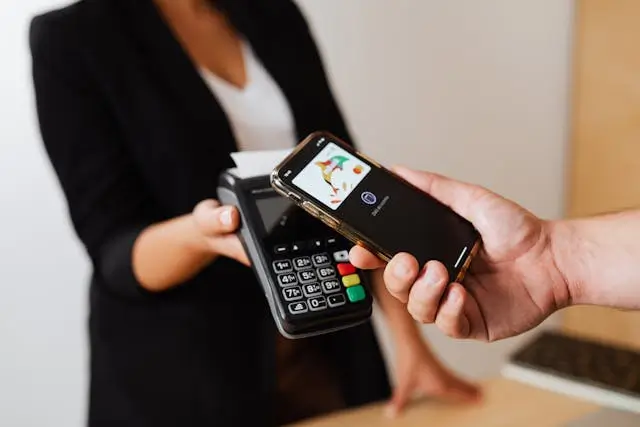
- Use Contactless (Tap-to-Pay) for small transactions to avoid entering your PIN in public places.
C. Limit Your Exposure
Keep your credit limit for “International POS” and “International Online” restricted to what you plan to spend that day (e.g., ₹10,000). If your card is stolen, the thief cannot drain your entire limit.
Bottom Line
For a traveler looking to save every rupee, the IDFC FIRST WOW! and Federal Scapia are the two best entry-level tools in 2026. They bridge the gap between “luxury travel perks” and “low-income accessibility.”
By avoiding the 4% “travel tax” and using smart ATM strategies, you can easily save enough on one trip to pay for your flights for the next one.
Fact-Checked & Verified: January 2, 2026. Disclaimer: Past performance of reward programs is not a guarantee of future terms. Check the bank’s official MITC document before applying.